Objects as Cultural Ambassadors newsletter. Mark Blackburn Art, June 2026.

An elegant send, built to do more than list what is available. We wanted readers to get at the gallery's own experience of these objects, the stories behind them, and what makes each one unlike anything else in the room. Interesting material, treated as such.

Writing and Editorial

Mark Blackburn Art
June 2026
Objects as
Cultural Ambassadors
New
We have relaunched as markblackburnart.com. A new site, a new chapter. The same forty years of expertise, now presented as it deserves to be.
From Mark's desk
After forty years in this field, I have learned that the objects worth caring about tend to find their way to the right people. This newsletter is my attempt to be useful to those people, to share what I am seeing, what I am thinking about, and occasionally, what I have managed to acquire.
We have relaunched the site as markblackburnart.com. Same work, same standards, cleaner name. I hope you will find it enjoyable and worth your time.
This first letter is built around an essay I have been meaning to write for years. It begins on a stormy evening outside Wellington in 1992, with a conversation that changed the way I understood everything I had been doing.
Mark Blackburn Marfa, Texas · June 2026
From the field
Objects as Cultural Ambassadors
On stewardship, responsibility, and the deeper meaning of collecting
In 1999, I helped establish a museum in Tonga in honor of the King's 80th birthday. For two years, much of the Blackburn Tongan collection was shown in the Kingdom. I still remember the pleasure of seeing Tongan people encounter their own historic art. Within a day of opening, carvers in the marketplace were once again responding to the real forms of Tongan art, not the simplified version made for tourists.
That is what great objects can do. They preserve memory. They restore visual knowledge. They connect people to ancestry, craftsmanship, place, and history. Serious collectors have a responsibility to care for objects with discipline, respect, and long-term vision. The finest pieces are not simply possessions. They are witnesses and carriers of culture. And sometimes, if we are lucky, we are only one chapter in a much longer cultural life.
Read the full essay on the site
From the collection
Maori War Canoe Stern Taurapa
Featured piece
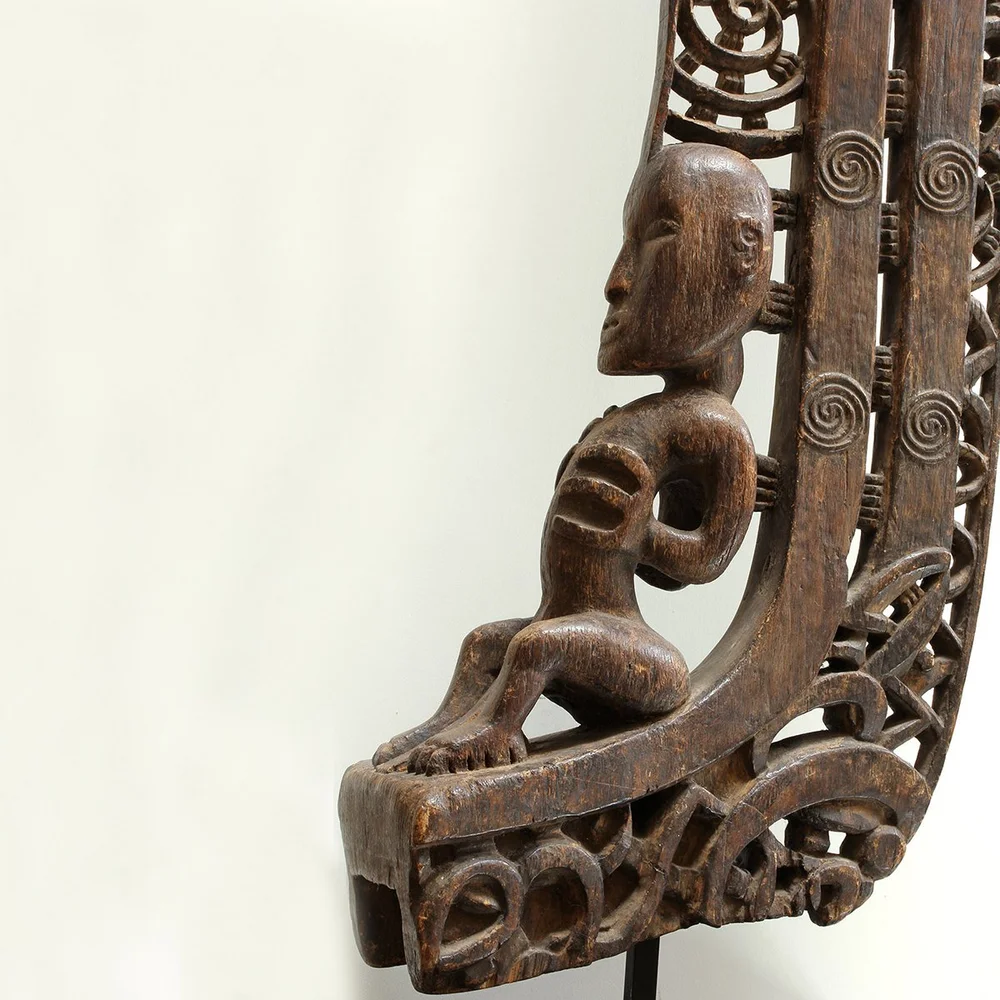
Māori War Canoe Carved Stern Taurapa
$85,000
Origin North Island, New Zealand
Date Circa 1840
Material Wood
Height 58" (147 cm)
Provenance Philip Murphy, London; UK private collection
The taurapa is the elaborately carved stern piece of the waka taua, the Māori war canoe, serving as both a structural and ceremonial element. Canoe makers held a position of high prestige within Māori society, their technical skill understood as inseparable from ritual knowledge and spiritual authority.
The carvings narrate the journey of Tāne, god of forests, ascending the twelve heavens to obtain the three baskets of knowledge (kete tuauri, kete tūātea, and kete aronui) while his elder brother Whiro attempts to disrupt the ascent. At the base sits the ancestral figure puhi-kai-ariki, who oversees the crew. The dominant figure of the manaia symbolically engages the opposing forces of war and peace.
The surrounding spiral system of pitau represents the unfurling black tree fern and the beginning of life, rendered in deeply undercut openwork carving across the full length of the panel. The carving retains its characteristic dark patina, the surface detail crisp and well preserved throughout.
Discover this piece
Mark Blackburn Art
markblackburnart.com · mark@markblackburnart.com
 

Photography Direction

Operations and Systems

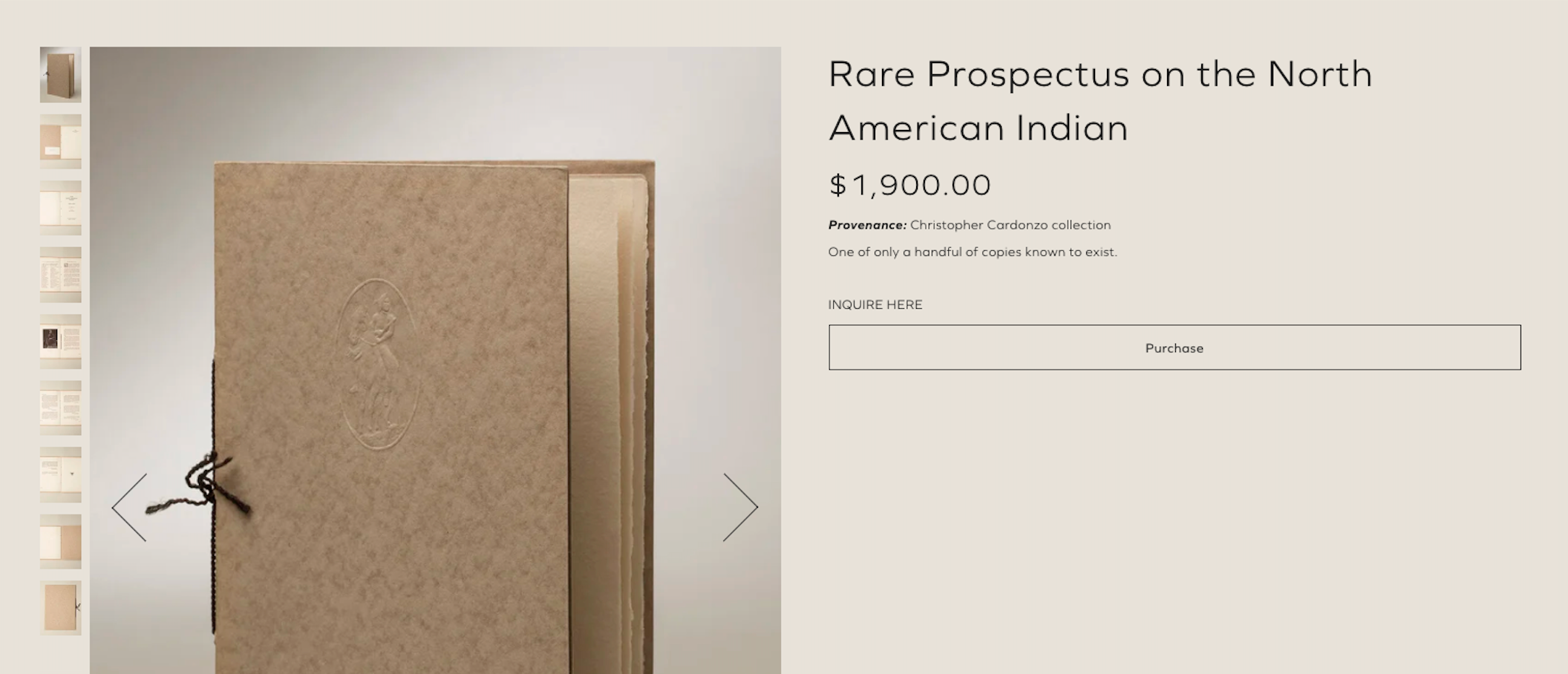
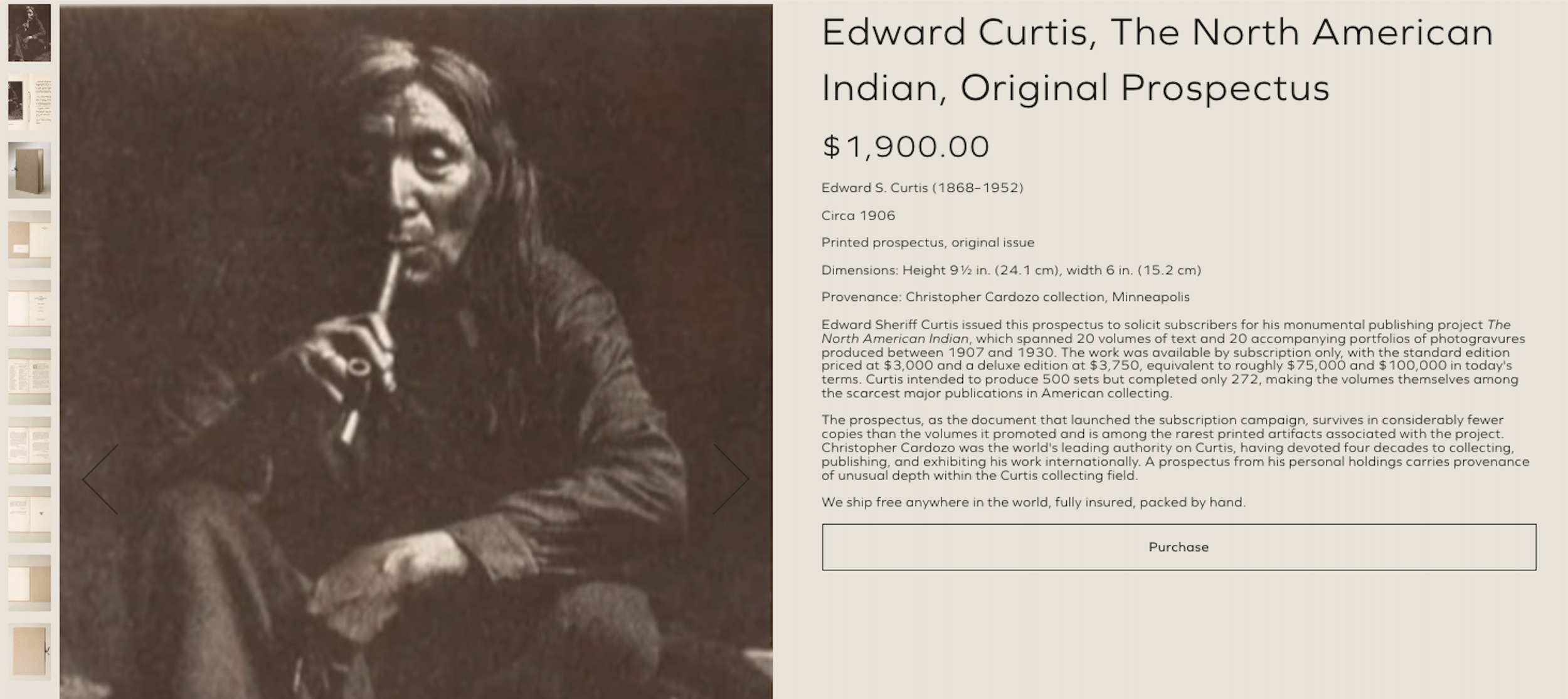
Before and after, Edward Curtis original prospectus, Mark Blackburn Art.

The listing on the left leads with a closed portfolio and a description of two lines. On the right, we chose the Curtis photogravure as the lead image, corrected and cleaned the photography, researched and wrote the description, and verified the provenance, dating and measurements before they went live. The object is a significant document in American publishing history, and the listing now reads like one.

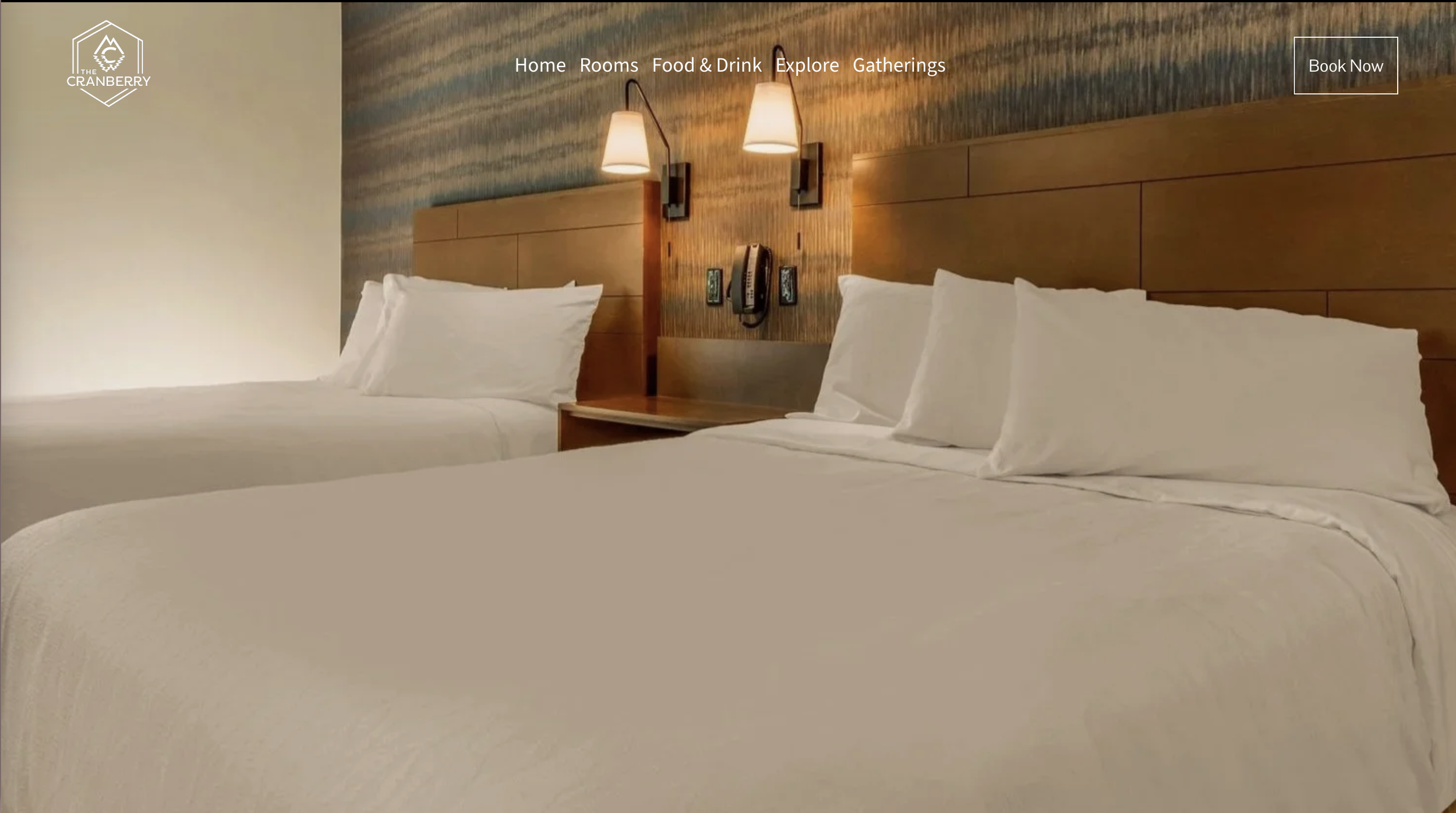
Before and after, The Cranberry, Morgantown, West Virginia.

The old site ran on stock photography, so every room looked like the same room, and the descriptions did nothing to tell them apart. We went back to the property's own images, chose ones that show what a guest actually walks into, and gave each room type a description a booker can make a decision from. The result is quieter, warmer, and far easier to book from.

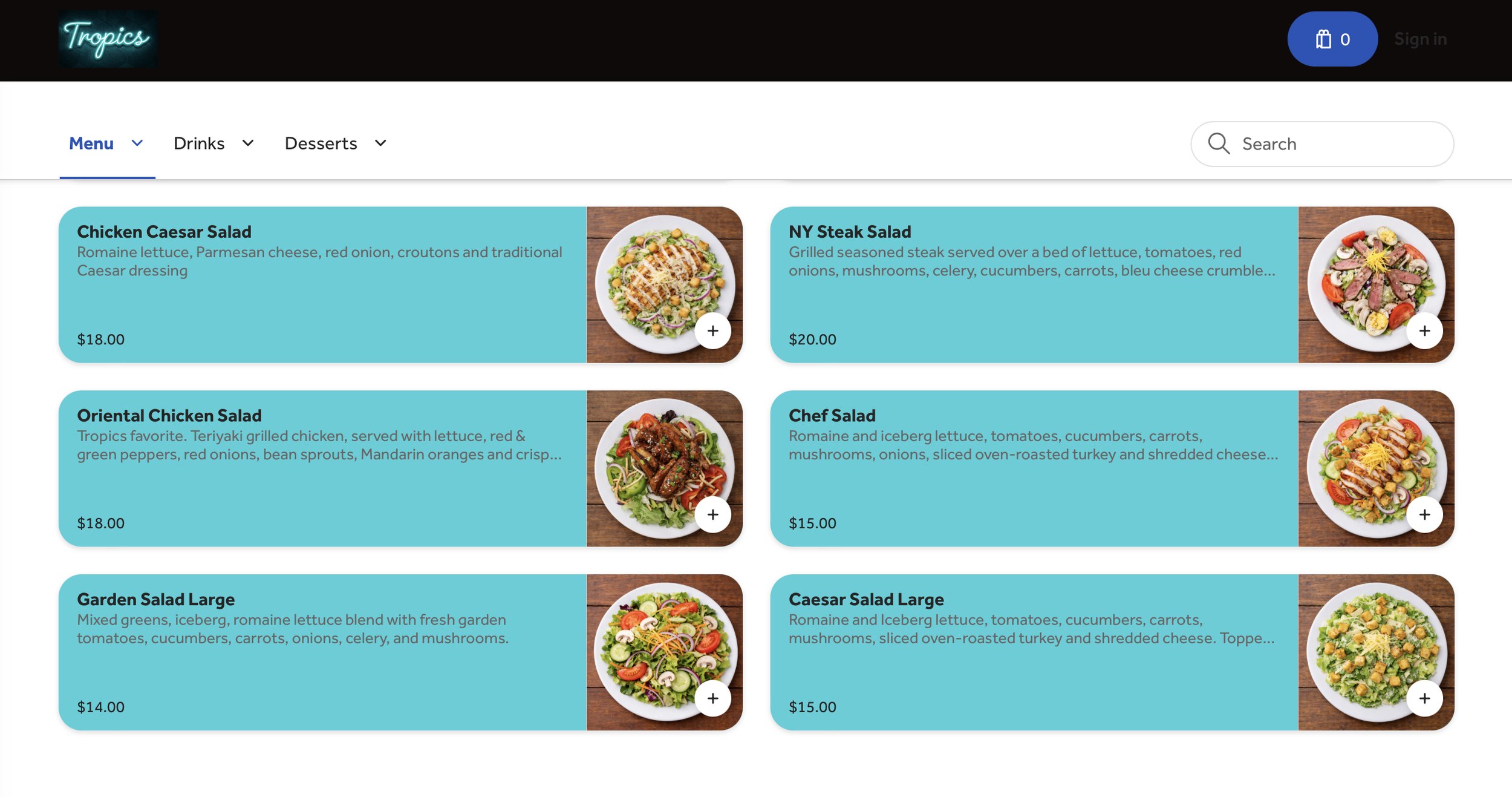
Tropics, Morgantown, West Virginia. Online ordering menu.

For an online order, the photo is the sales pitch, so we rebuilt the menu around better images, clearer item descriptions, and a layout and colour system that lets a hungry person scan and decide fast. Online sales rose 26 percent over the six months that followed.